Potentially the most iconic band of all time, The Beatles’ album covers and their use of typography throughout their short but prolific career details their journey as a band and the material that they produced.
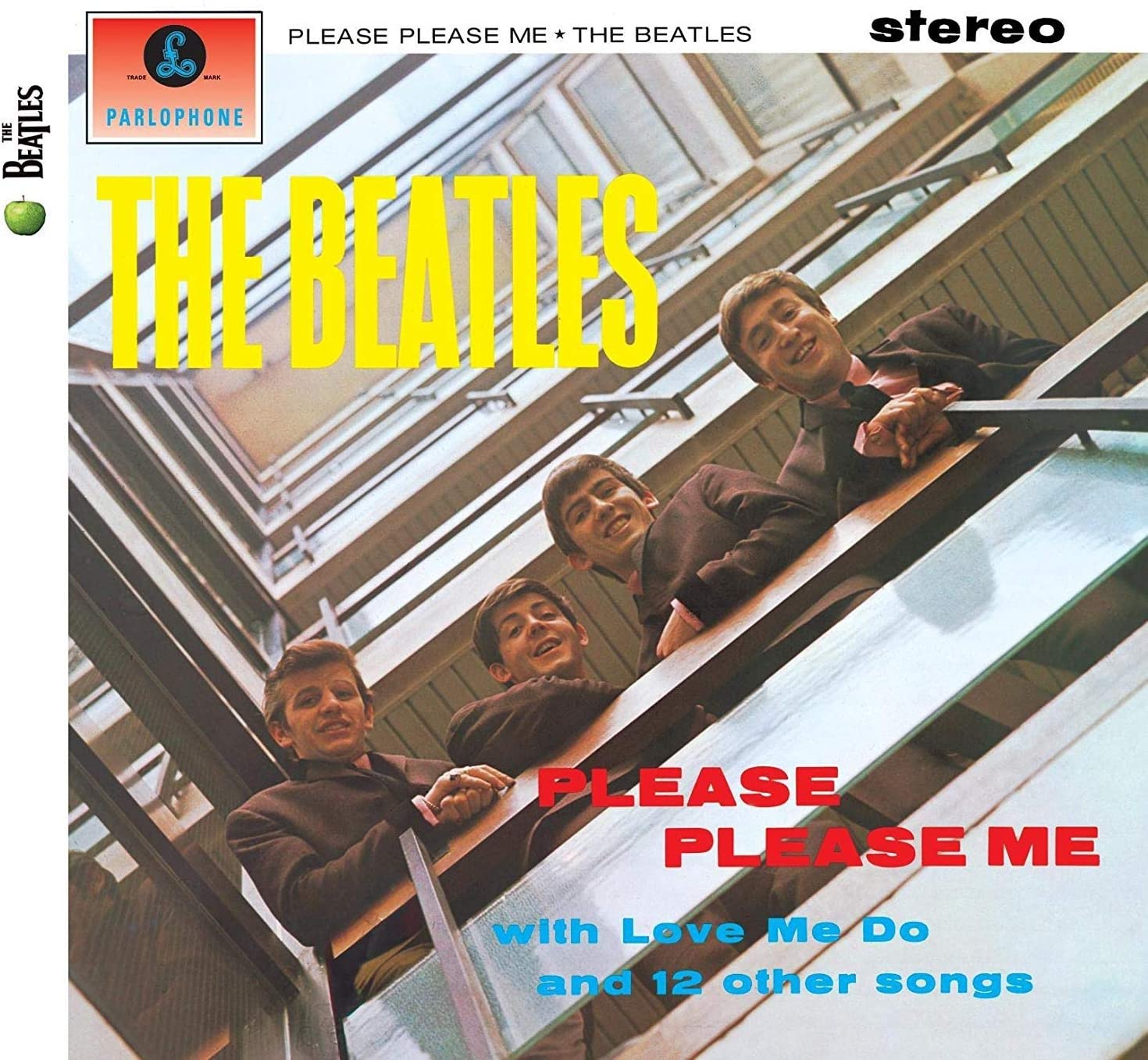
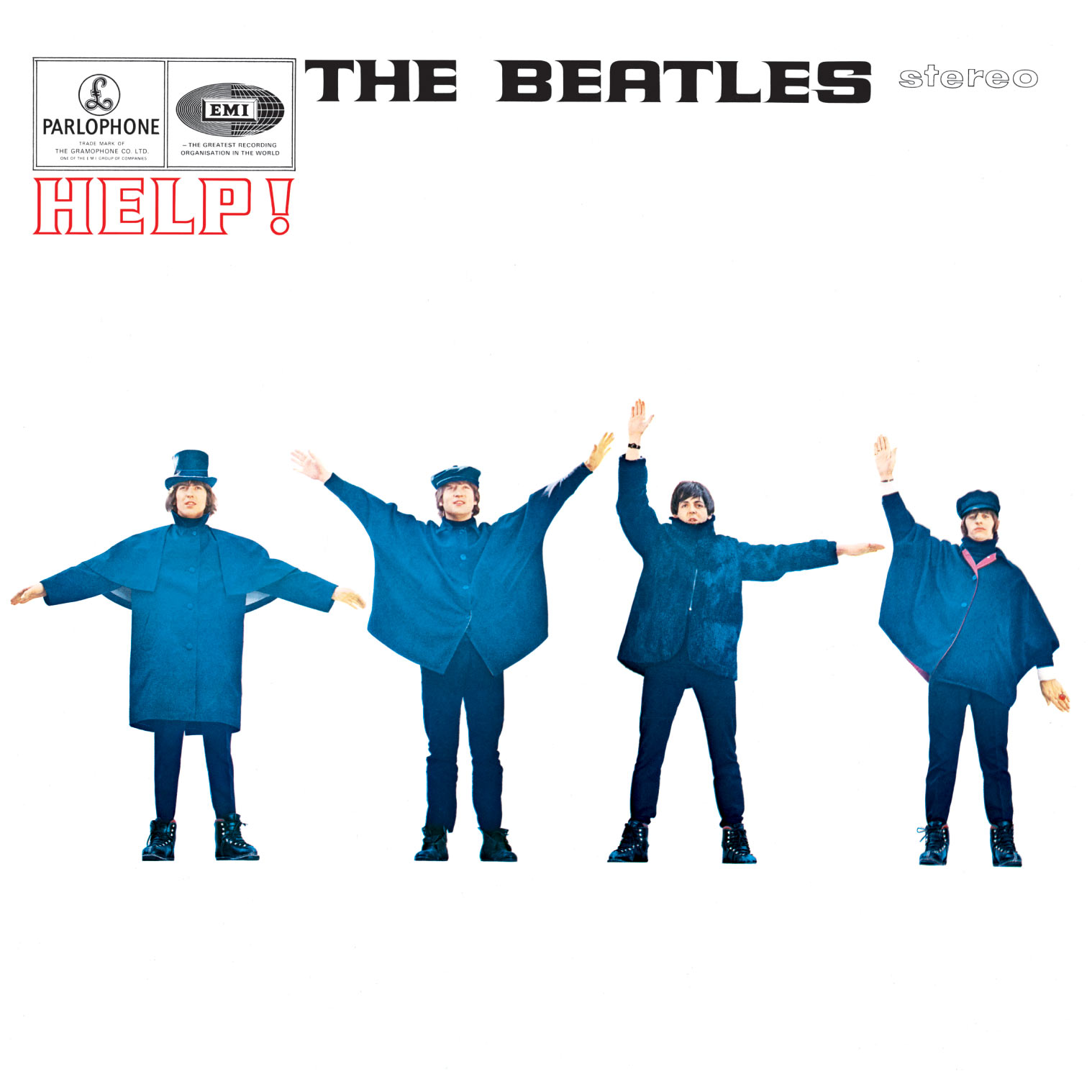
From their debut, Please Please Me, to their 5th studio album ,Help!, their name was always visible on the cover. This would usually come in the form of a large font, stylised either in all uppercase or all lowercase with a low contrast font in black with a lighter background. All of these techniques improve legibility and place the band front and centre – this makes a lot of sense as, towards the start of their career, the band were the hottest commodity in the music industry and were incredibly recognisable. Though the fever pitch around them failed to die down later in their career, their credibility allowed them to draw further from their own life experiences and affinity for experimentation in their song-writing. This, in turn, led their album covers to become more artistic and iconic.
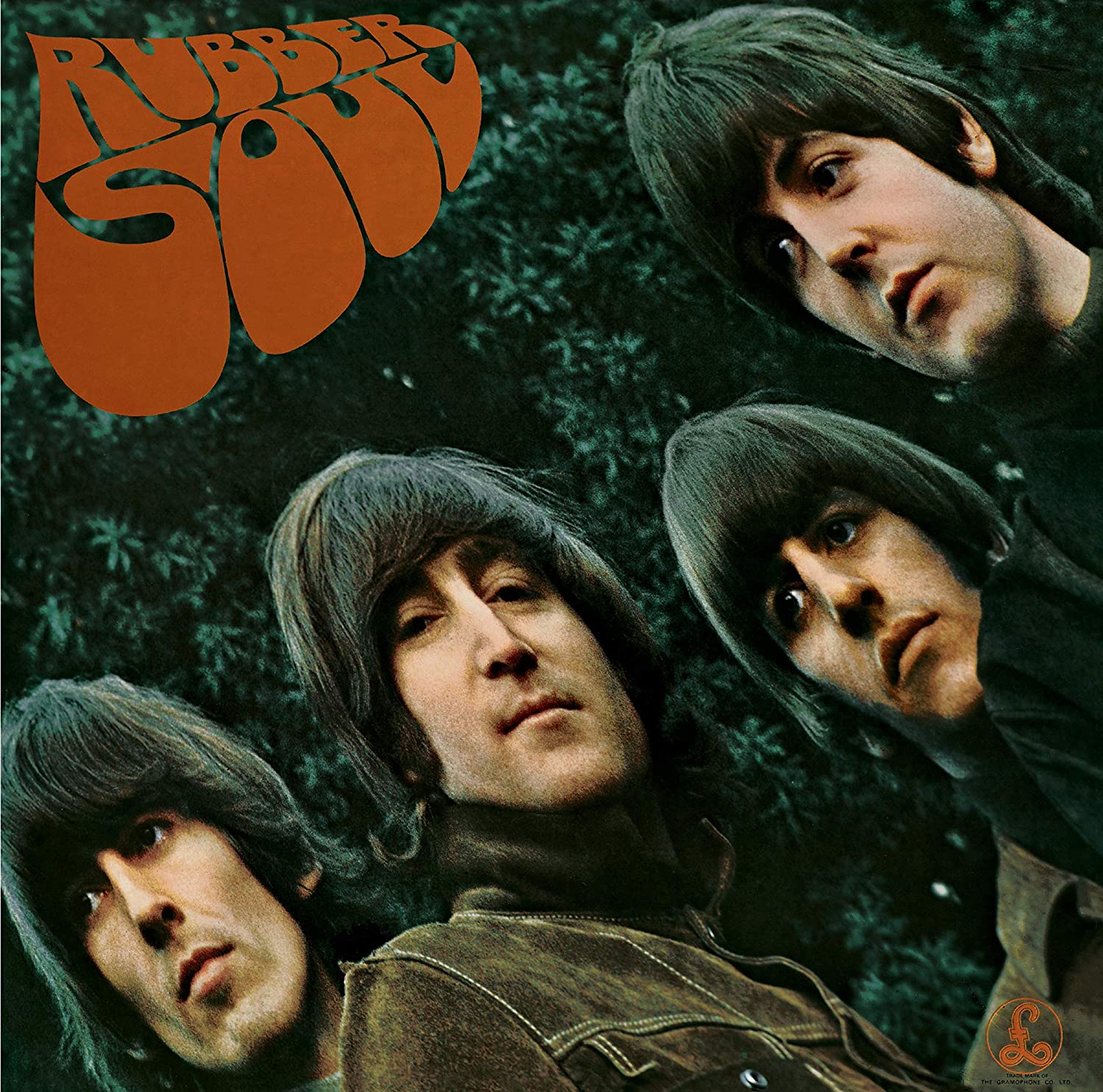
Rubber Soul, released in 1965, was the band’s biggest curve ball they had served their fans so far in their musical career. The experimentation on the record was fresh and exciting, if not slightly confusing for fans at first. The cover reflected this, with the band’s name not even present on the cover – only their slightly distorted faces and the album’s title in an incredibly high contrast rounded font with a heavy weight. The style of the font lends itself to the slightly elongated picture of the band members, hinting at the change in style that would only continue throughout their discography.
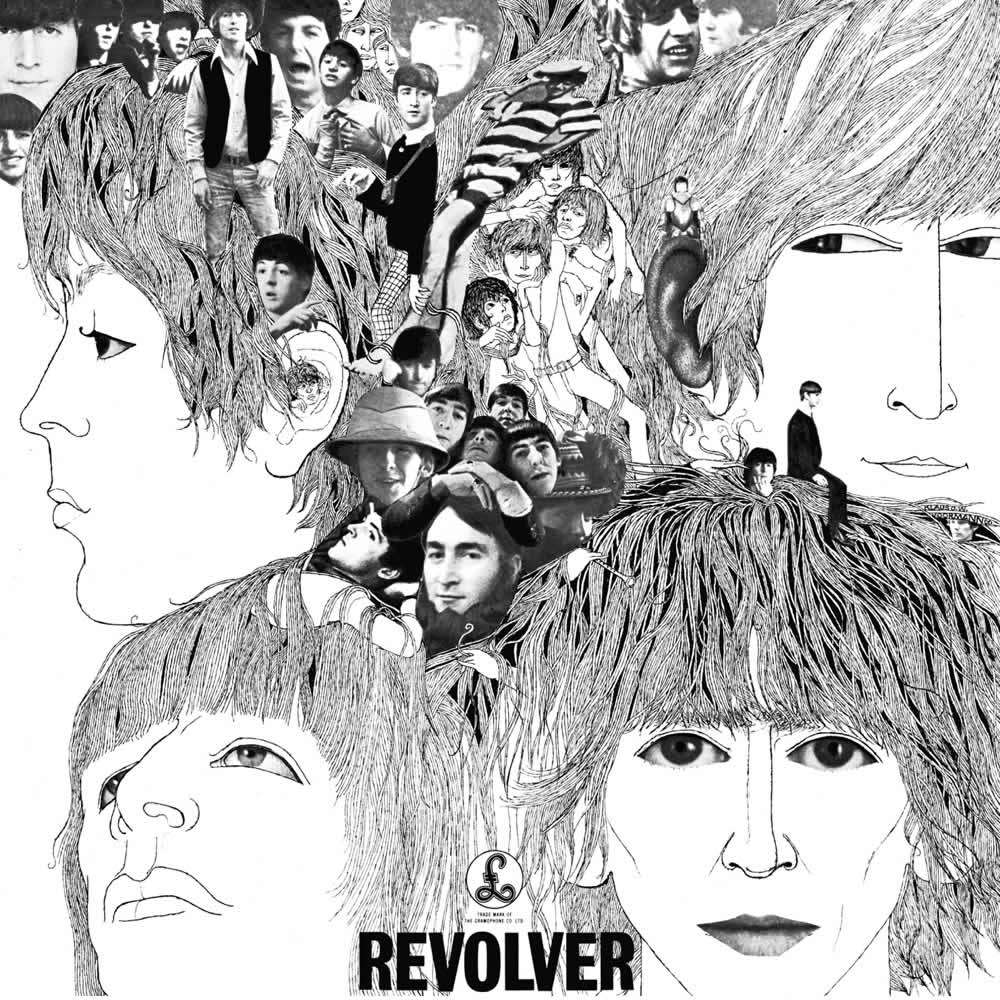
Revolver, released in 1966, once again opted to omit the band’s name. Seemingly, they no longer cared for the reputation that their fame had brought them and wanted, instead, to let their music speak for itself. The album’s title is centred at the bottom of the cover, all in uppercase. The low contrast, black font is sans serif and low contrast. The font has a fairly heavy weight to it but is not necessarily bold. This is more easily legible than Rubber Soul but juxtaposes well with the incredibly complex illustrated cover art that depicts the members of The Beatles.
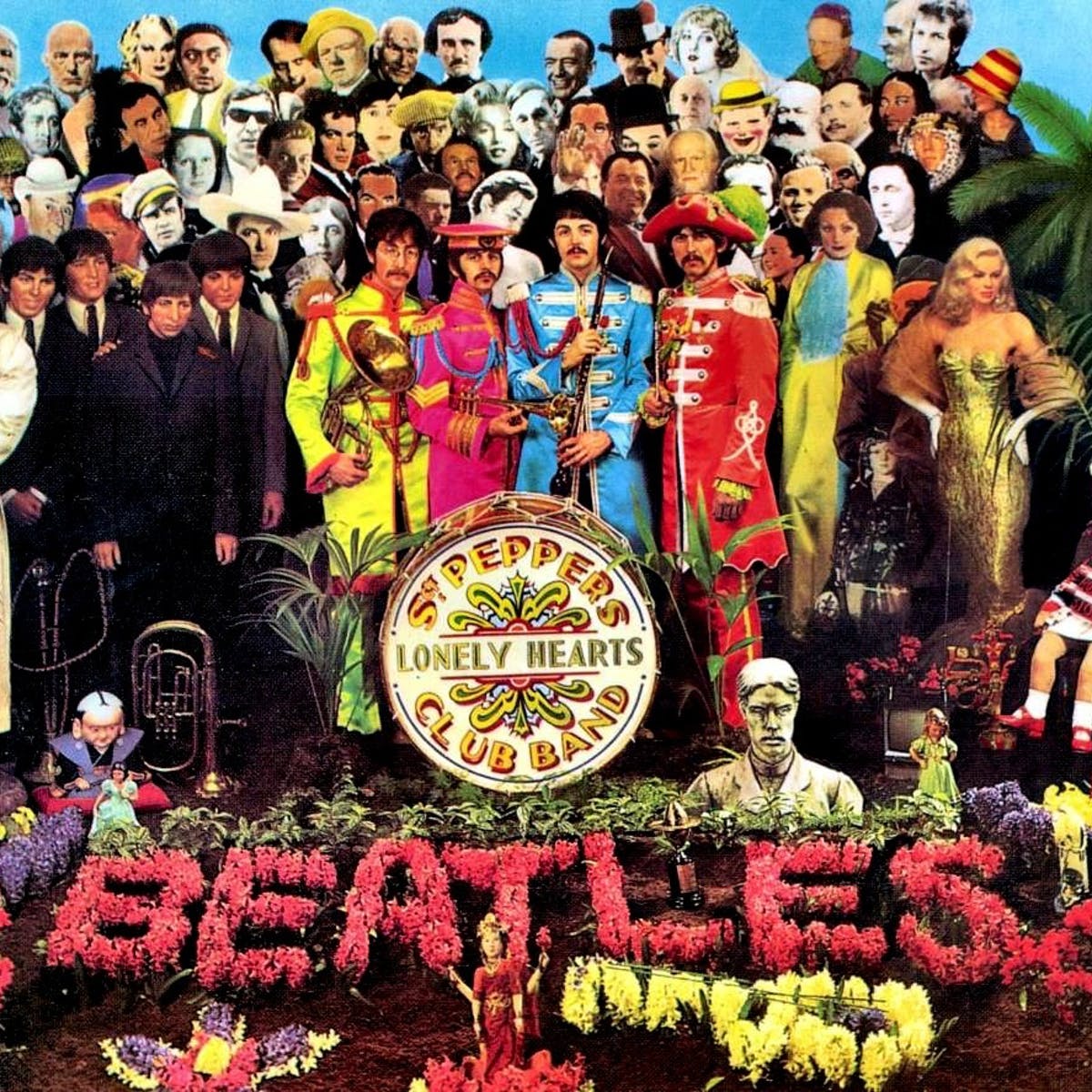
The next year, in 1967, The Beatles released Sgt. Pepper’s Lonely Hearts Club Band. The album was a psychedelic rock and pop album that was considered experimental for the time. The cover reflects this well, with its maximalist design, bright colours that contrast each other and intricate set decoration that negates the need for post-production typography to be added. The album’s title is displayed on the face of the band’s kick drum and Beatles is laid out in ornate flower arrangements, all in uppercase.
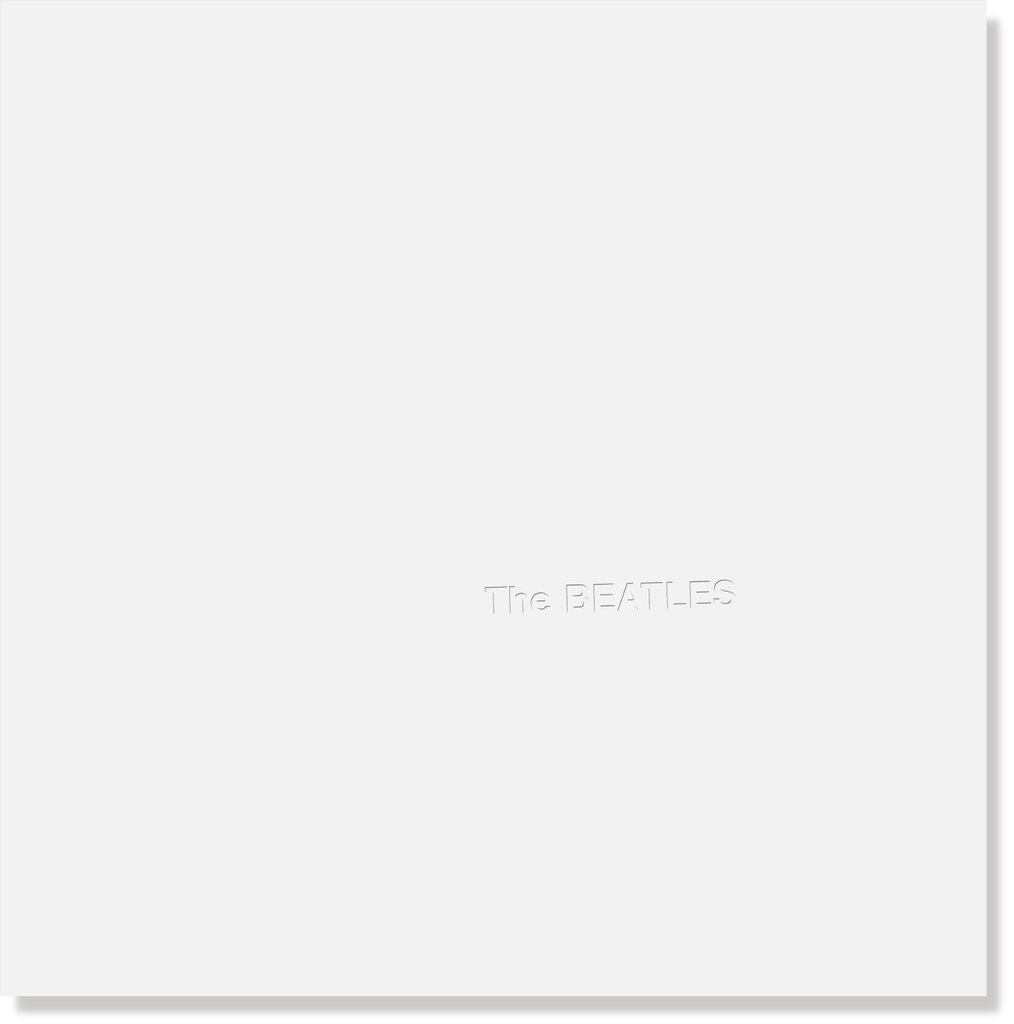
The Beatles’ self titled album, released in 1968, sported the band’s most daring cover yet. Seeking to subvert expectations after the maximalist nature of their previous studio effort’s cover, The Beatles has become known as The White Album due to its sparse design. The name of both the band and the album is displayed near the centre of the white background but slightly offset to the right. The text has traditional capitalisation for ‘The’ but ‘Beatles’ is stylised in uppercase and the style of the font appears as to make it seem almost debossed on a page. The pairing of music and cover almost seems oxymoronic, with the minimalist cover not hinting at the magnum opus that the album was. The band’s most varied body of work thus far and the cover was almost blank. This was an artistic statement.
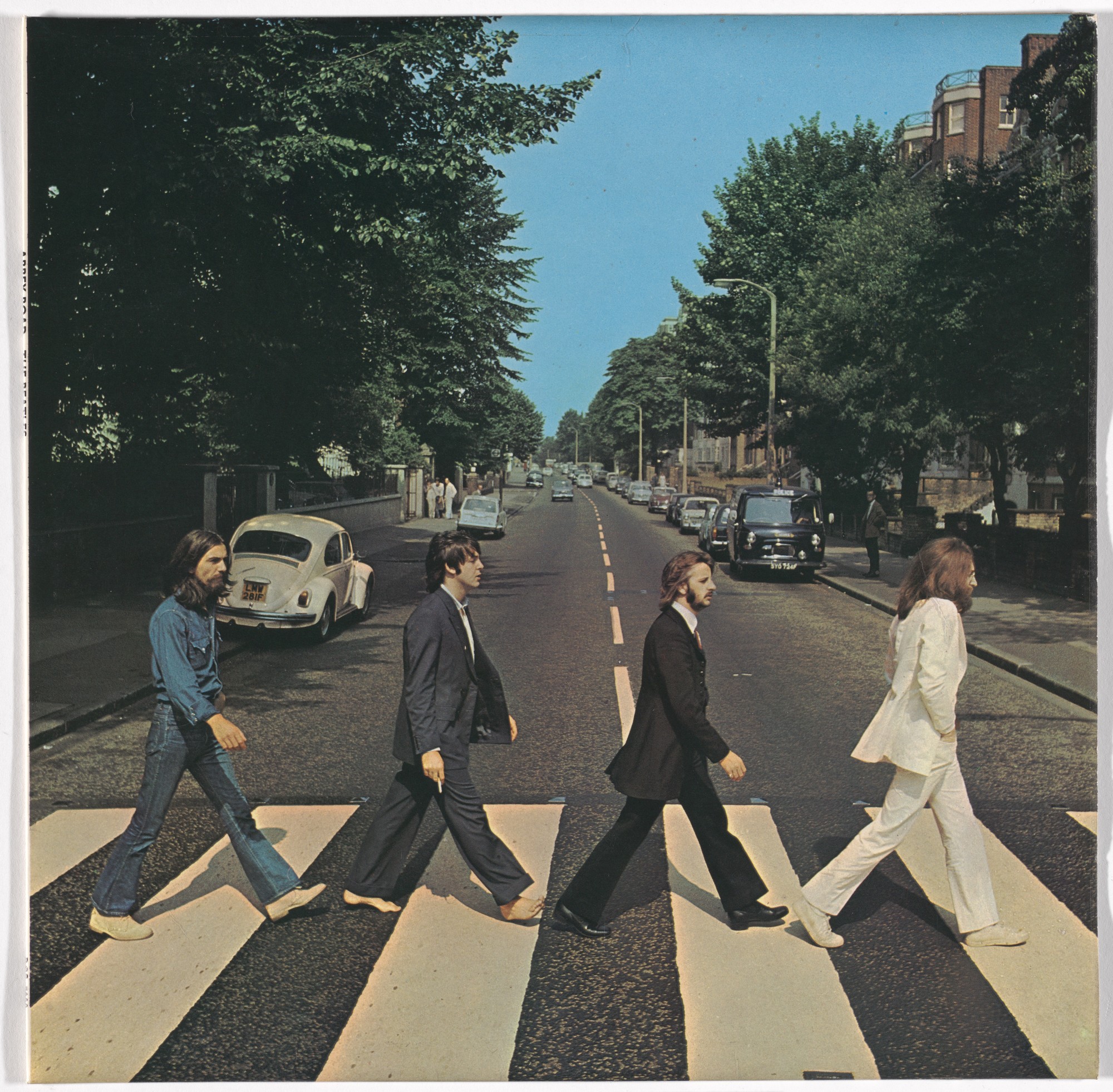
Potentially The Beatles’ most iconic cover, Abbey Road, does not actually have any writing on it at all. The band was truly on top of the world, using the working title of Everest when producing the record. It was a year later, on their final album, that they would once again return to the technique of only including the project’s title.
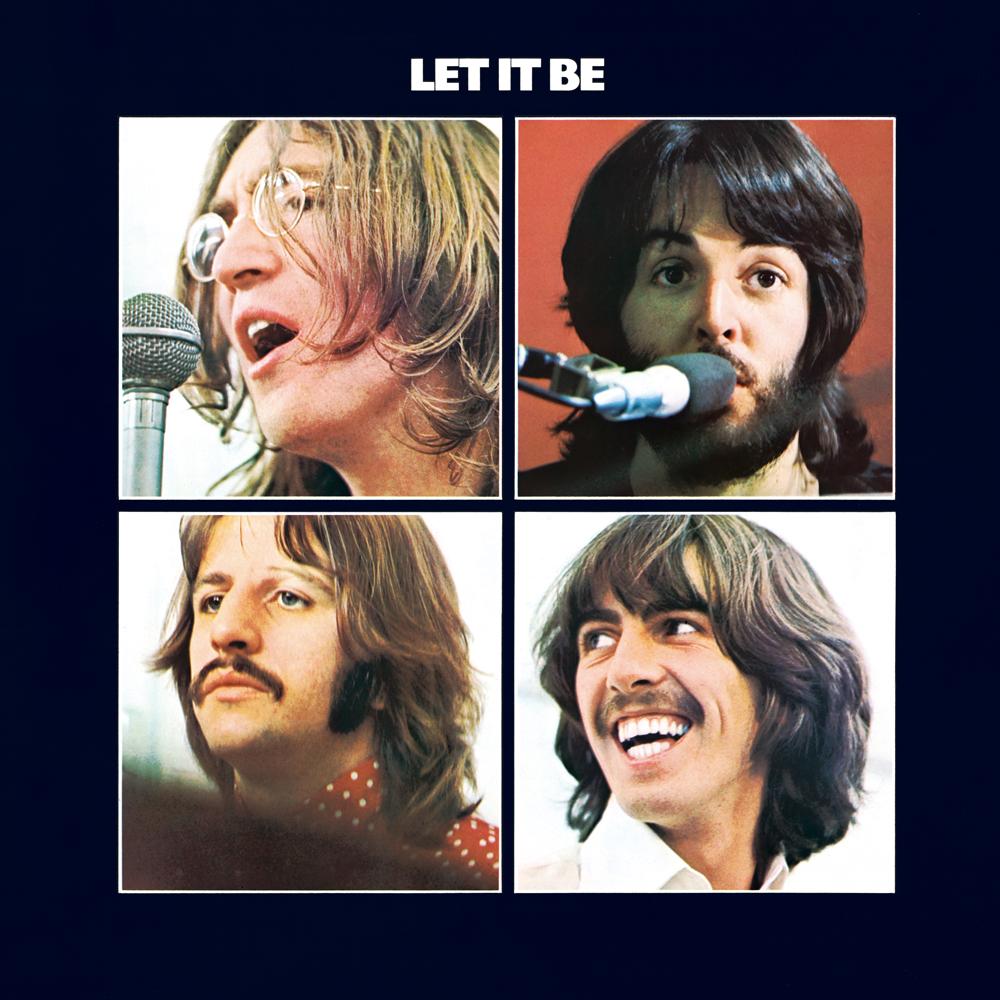
Let it Be, released in 1970, would be the group’s final joint effort. At the top centre of the cover, the title of the album is displayed in a white, low contrast font that contrasts well with the black background of the cover. The heavy weight of the font and its sans serif style lend themselves well to legibility and achieving a sense of minimalism on the simple yet effective cover. The band reused this idea of simply showing the album’s title and allowing the rest of the art to speak for itself.