Kendrick Lamar is the most critically lauded rapper of the 2010s without much deliberation. His conceptual records are so intricately crafted with collaborators whilst always remaining true to Lamar’s singular vision. His album cover art has always reflected the art within in a way that leaves the covers intrinsically linked with the songs attached.
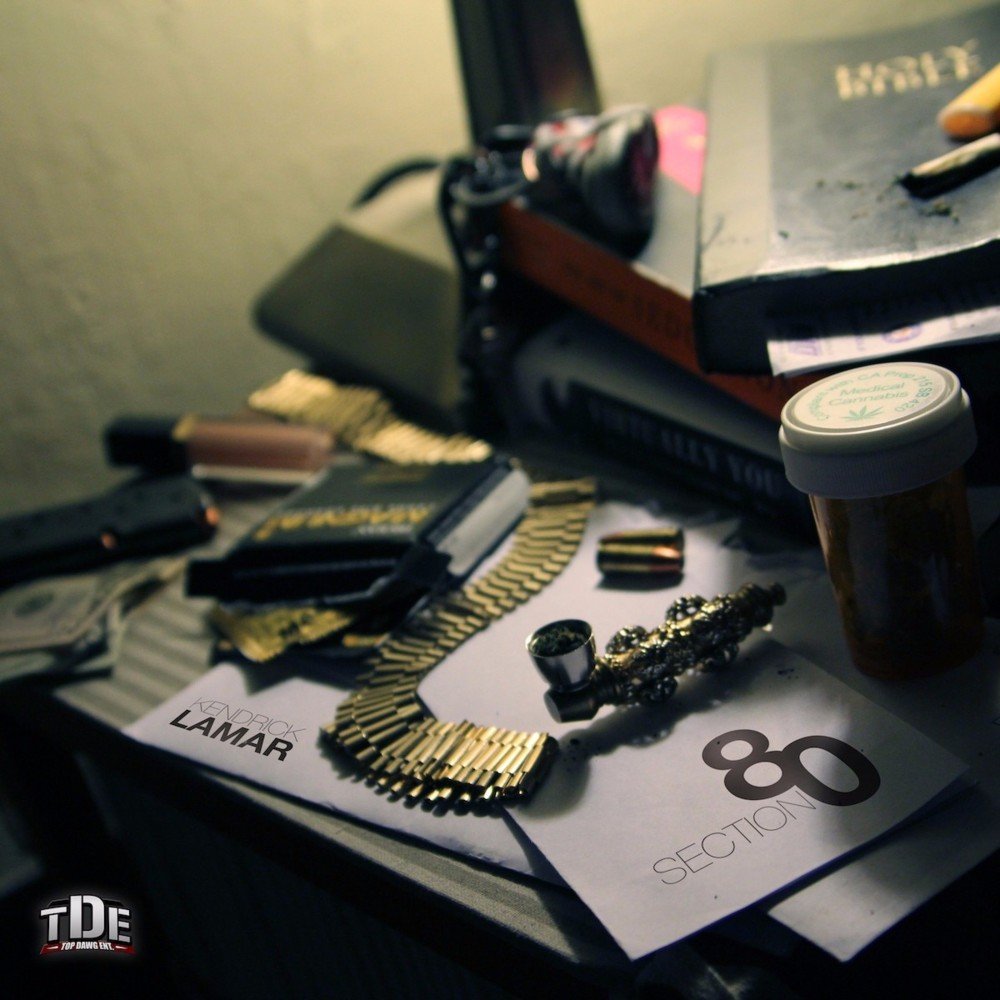
Lamar’s 2011 effort Section.80 includes typography detailing the artist and album title within the image emblazoned across the cover. Two fonts are used, both times in conjunction with each other. The fonts are similar, potentially the same, but one of them has a low weight whilst the other is bold with a heavy weight. The contrast between the two fonts in the image draws the eye of the audience whilst not shoving the information in their face. The writing exists within the photo, on envelopes on the side.
These envelopes are covered in items that could be seen as controversial to some but also everyday items to those living in the conditions Lamar raps about on the project: drugs, drug paraphernalia, cash and gun ammunition. The cover as a whole manages to seem like a candid photo of someone’s living space, possibly Kendrick’s, but manages to convey the artist and album title, as well as the label publishing the project. As Lamar’s first studio effort, the low-key nature of the typography and cover as a whole match the tone of the record.
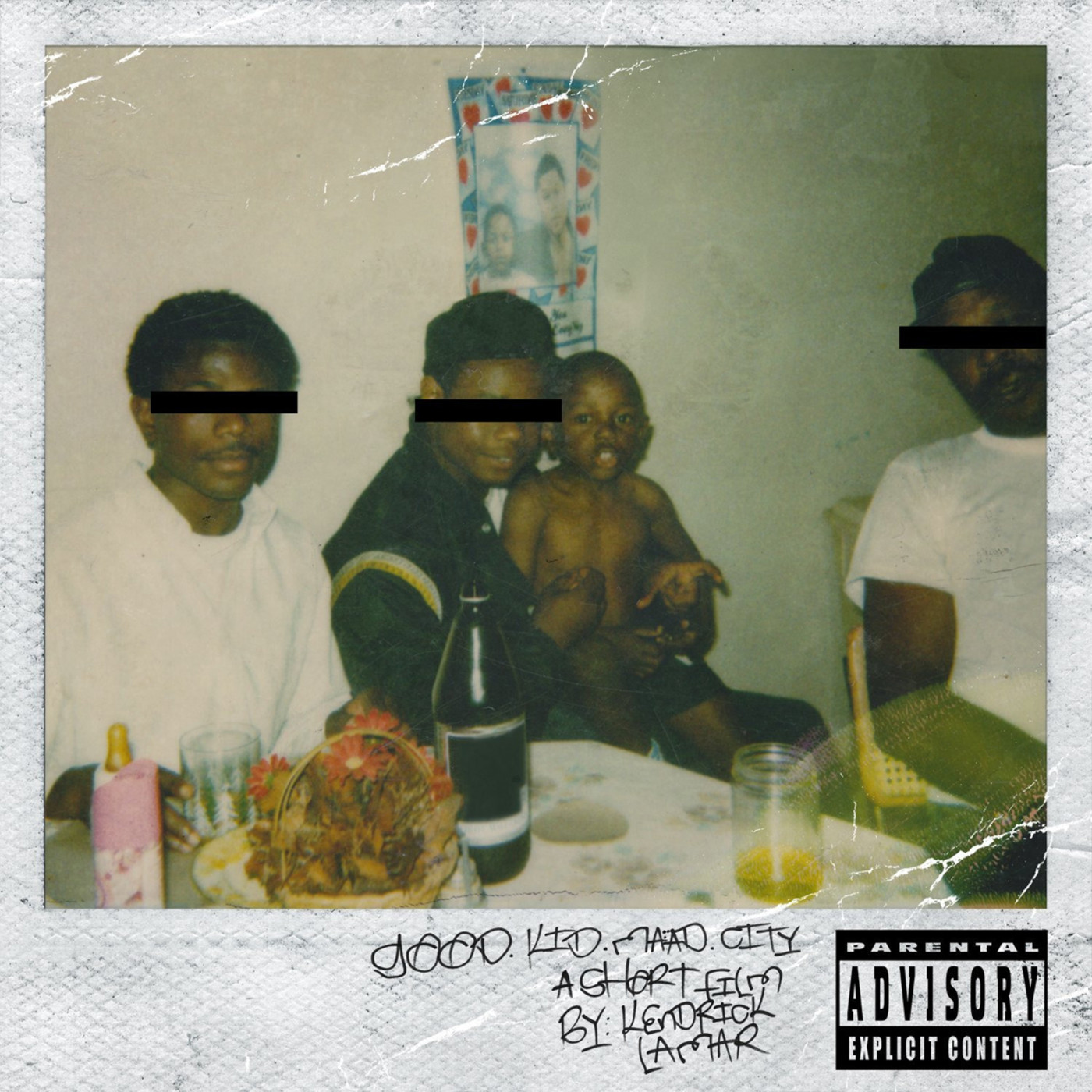
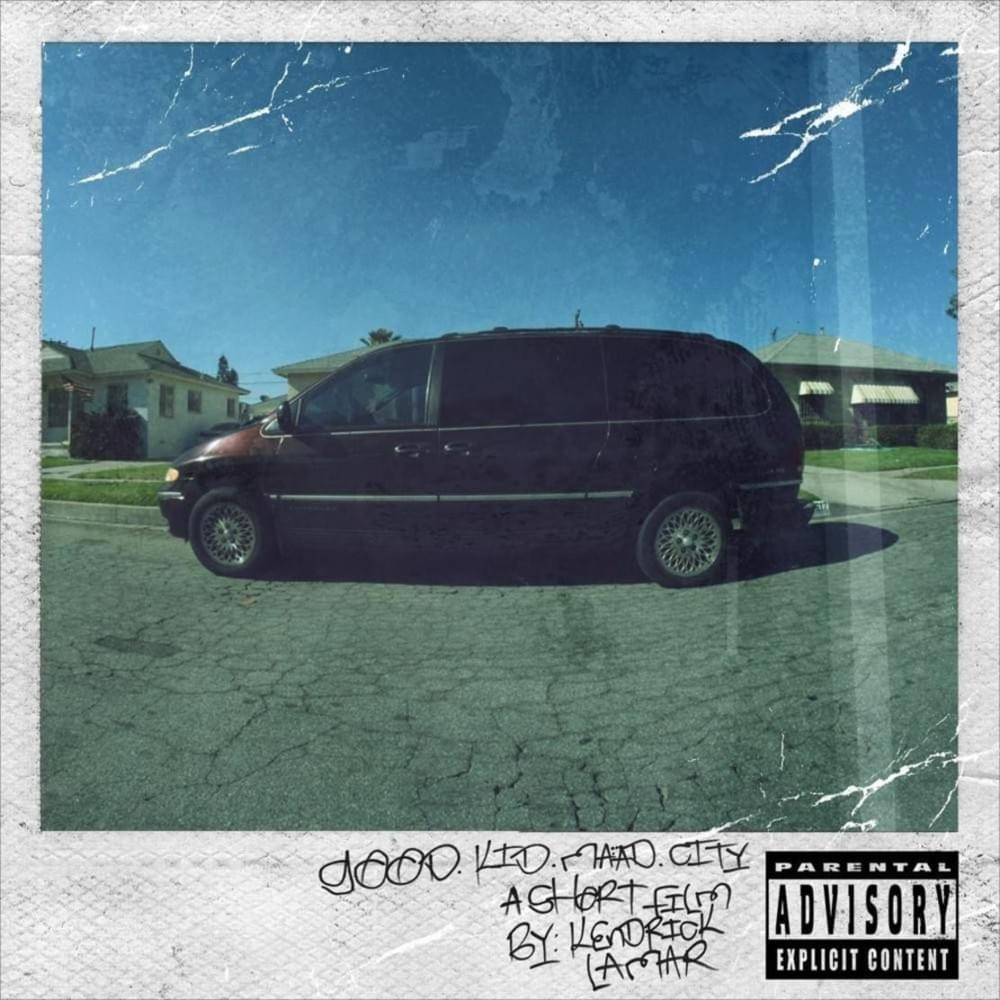
good kid, m.A.A.d city, released in 2012, has two covers, both of which include the same typography. The format of the cover revolves around polaroid images that hint at the stories and lifestyle that Lamar paints across this project. This project is notably more conceptual than his first effort, as well as more personal. The album title and artist’s name are included on each of the polaroid images, the same on each. The handwritten information helps to hint at the personal nature of the record.
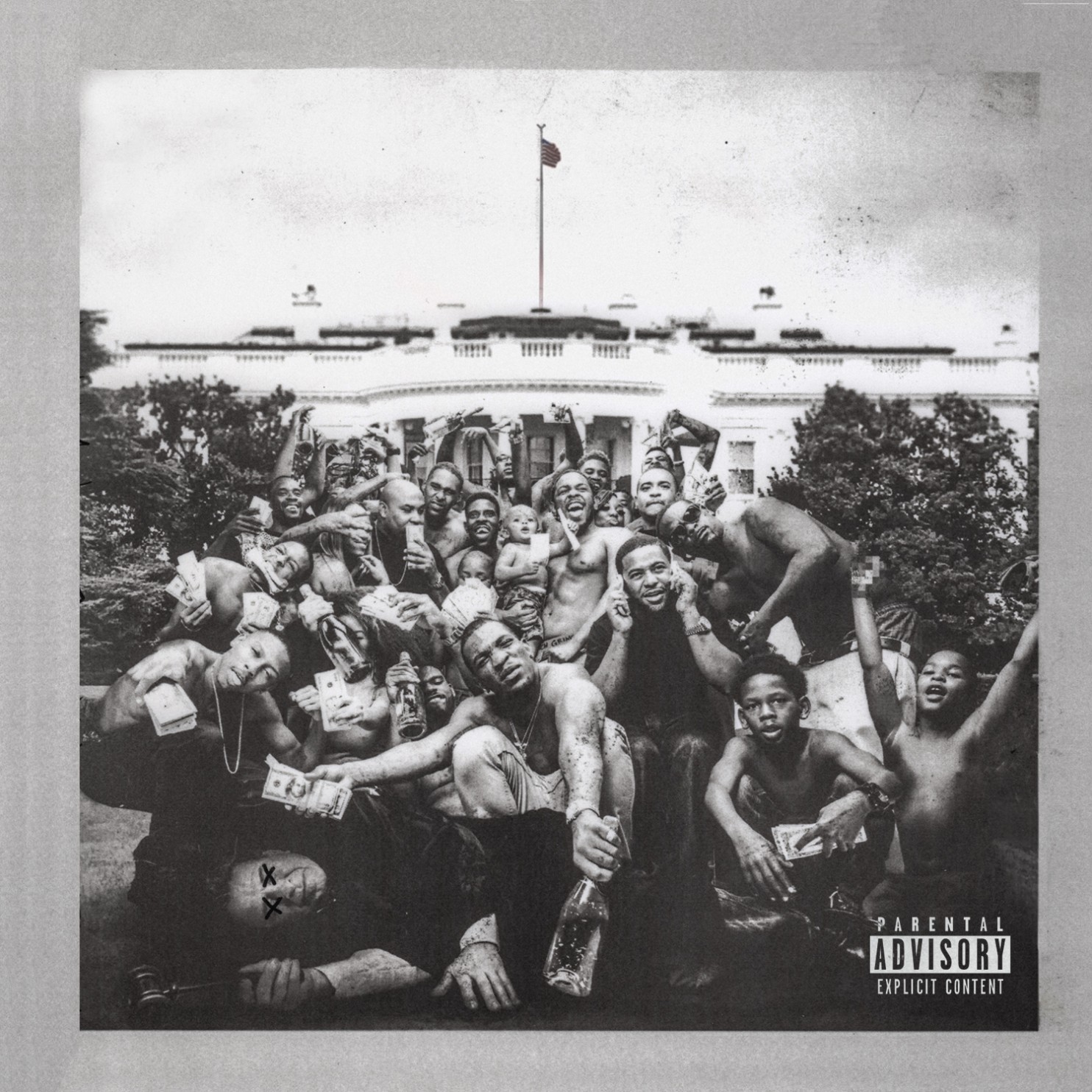
Lamar’s next effort, To Pimp a Butterfly does not include any writing at all, though it is potentially his most iconic album cover. The album is Kendrick’s magnum opus, tackling themes of systemic racism, police brutality, religion, gang violence, poverty and the excesses of a hip-hop lifestyle. The image on the front, of gang members from Compton posing over the body of a dead judge with the White House in the background is iconic and it could be said that the statement of the image essentially negates typography.
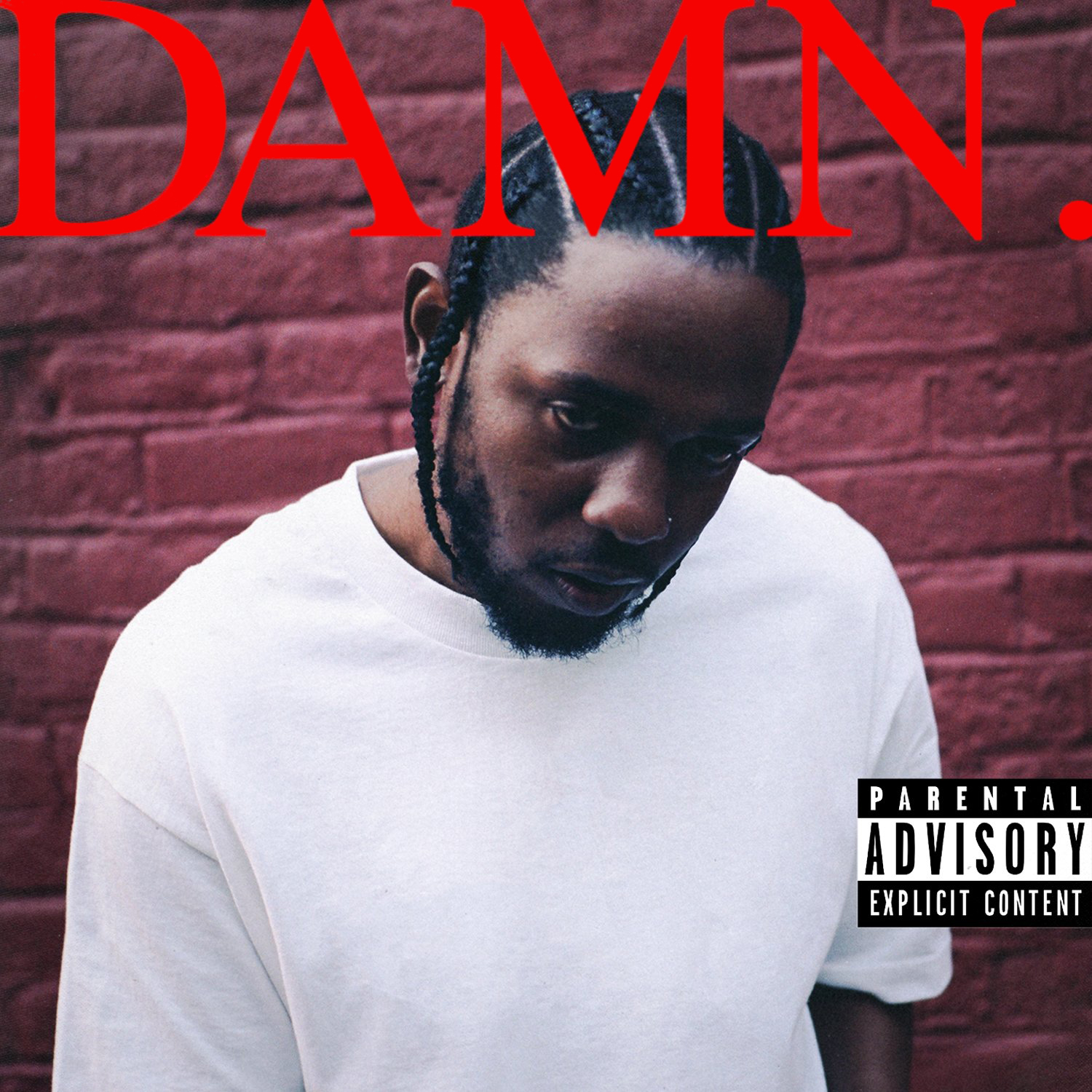
Damn. was Lamar’s 2017 effort and could rival his previous effort for most his most iconic album over. Kendrick’s dazed, lackadaisical expression with the simple exclamation at the top of the cover combine well to convey the frustration and angst that the album was created and influenced by. The large, serif font has a medium contrast, with different aspects of the same letter having different weights.
The simple, minimal title is striking in its presentation and made quite the wave when the cover was publicly announced a week before the album’s release. Endless memes were created, parodying the cover whilst paying homage to Lamar. The album won Rap Album of the Year at the Grammy’s, as had his previous effort. The serif nature of the font conveys a sense of prestige whilst the colour (bright red), the full stop at the end of the title and the exclamation itself all represent this sense of angst that permeates on tracks like DNA and Humble.