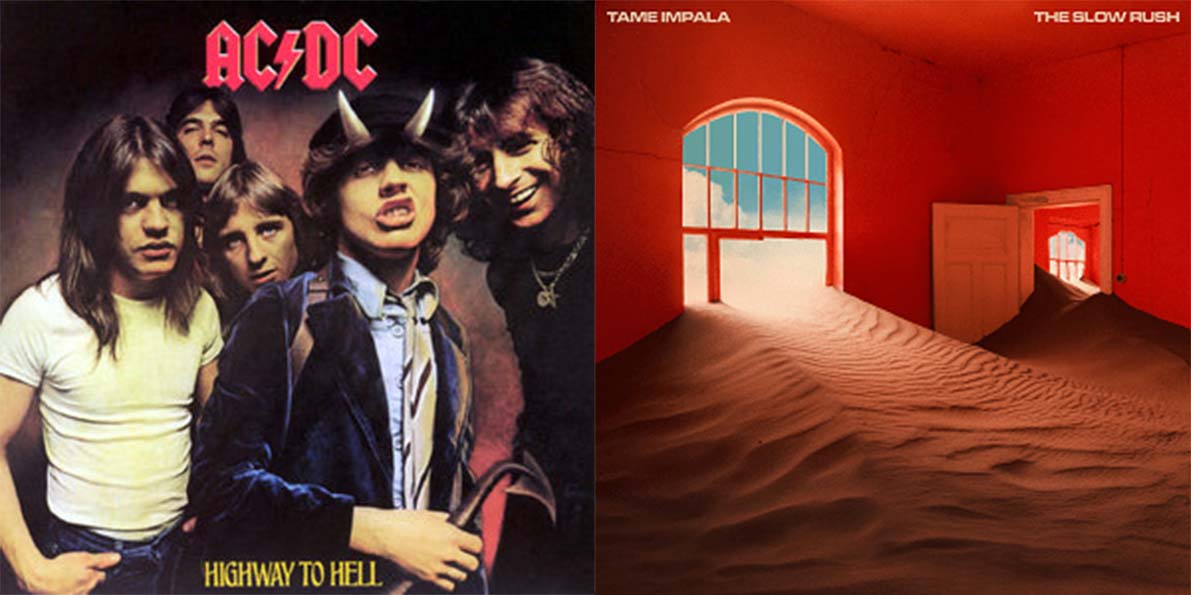
Album artworks can influence how certain projects permeate throughout culture and font selection is a large aspect of this. There are many iconic artists that have associated themselves with a particular aesthetic for extended periods of time; think of the iconic stylized font used for the AC/DC logo or the memorable yet minimal trademark font of fellow Australian music project Tame Impala (Microgramma).
Cooper Black is an eponymous font, named after its creator Oswald Cooper in 1919. It is a fairly low contrast font that is defined by its thick lettering. Cooper himself once referred to his typeface as one “for far-sighted printers with near-sighted customers.” With the evolution of technology and art in the years following, the printers he referenced became artists and other creatives that understood the importance of legibility but also appreciated the soft nature of the font. One of its unique qualities is the balance it strikes between heaviness and delicacy. Not only is it exceptionally legible, it is also dynamic in its application, which album cover artists began to take notice of in during the psychedelic movement of the 60s and 70s. The font itself has often been imitated but never truly equalled, in quality or cultural relevance.
In the mid-60s, all of the sudden, experimental music projects inspired by the progressive politics of the hippy movement and the structures (or lack thereof) of eastern music were using Cooper Black on their album covers. Notable uses of the Cooper Black font during this period include Pet Sounds by the Beach Boys (1966), Freak Out! By Frank Zappa’s The Mothers of Invention (1966) and LA Woman by the Doors (1971).
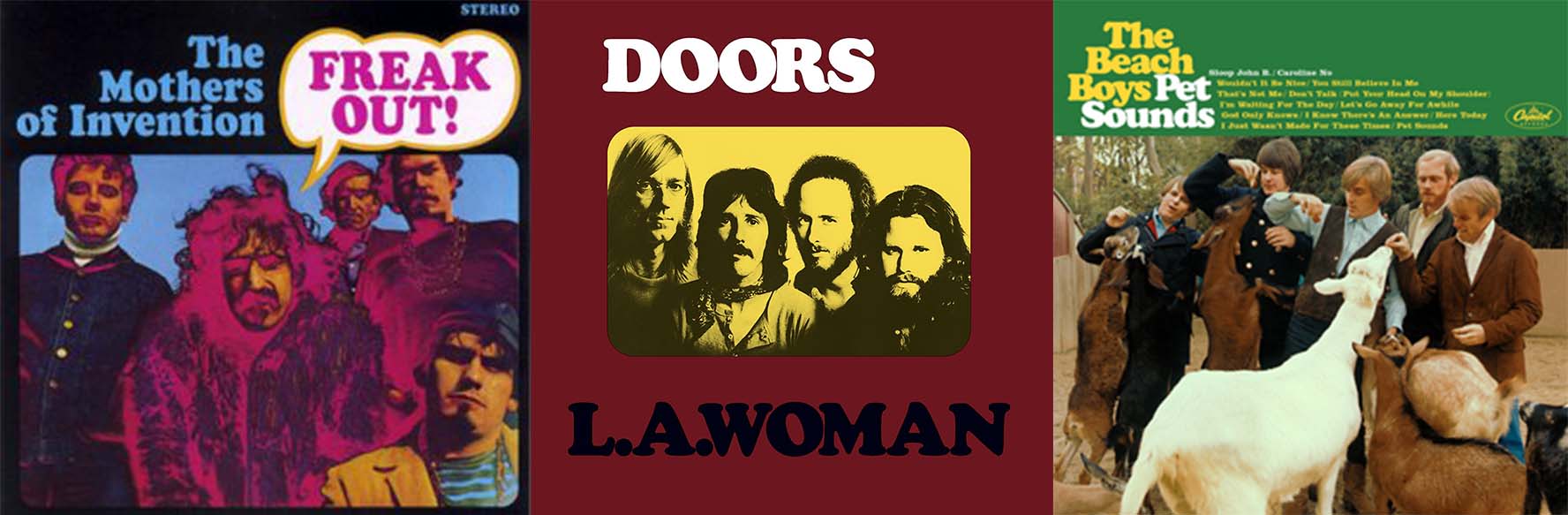
The font contrasted itself against the other modernistic fonts of the time with its loose, almost care-free aesthetic which lent itself heavily to the aforementioned hippy movement. This juxtaposition with other popular contemporary fonts led to its adoption in the counter-culture and underground movements, which, as they often do, influenced the mainstream slightly down the line.
Though Cooper Black was featured very prominently on album art in the 60s and 70s, it still influences modern album covers. Some modern examples that I am personally a fan of (both the covers and the music itself) include Channel Orange by Frank Ocean (2012) and Drunk by Thundercat (2017). Both take different directions completely but utilise the dynamic features to accentuate the cover itself.
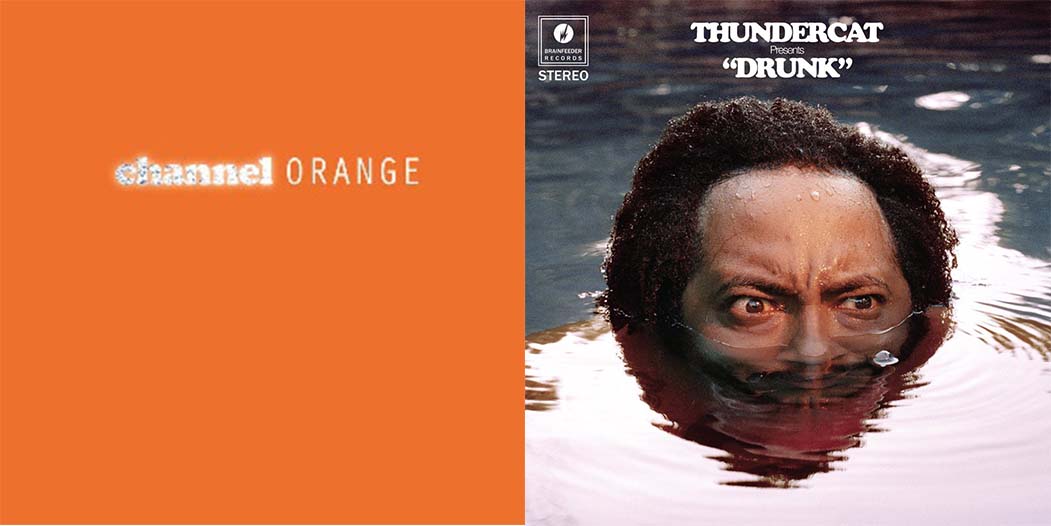
Drunk features a photo as the main content of the cover, with the title written in Cooper Black at the top centre of the cover. The title is formatted like a throwback album cover, almost treating the project like a film. This aesthetic is matched both by the font and the cover photo, which is unobscured by the title.
Channel Orange is much more minimalistic, with the title being the only information present, not even the name of the artist. Complex writer Dale Eisinger talked about the choices of font Employing the classic Cooper Black font — a staple of his Odd Future crew and hip-hop history, alike — next to a more modern, Sans-Serif font shows just how smart this dude is, looking back to the past, while clearly aware of his surroundings.” Eisinger has hit the nail on the head when describing the cover as an homage to Ocean’s influences from the past as well as his take on progressive R&B.